Cute Cat Faces: A Review for Real Embroidery Projects
As an embroidery designer and product reviewer, I've evaluated countless machine embroidery designs. Cute Cat Faces stands out as a versatile set of stylized cat faces that can enhance a wide range of projects. But like any design, its success depends on how well it fits the project's needs and execution.
The First Impression: Whimsical and Adorable
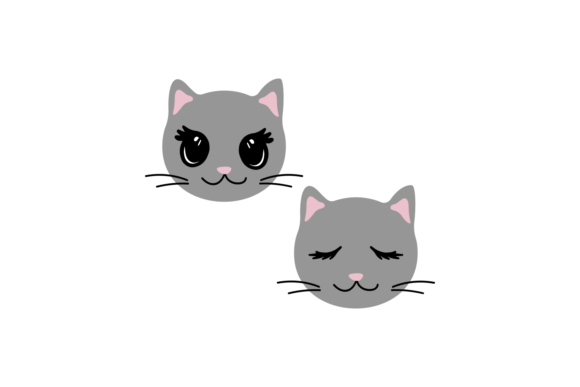
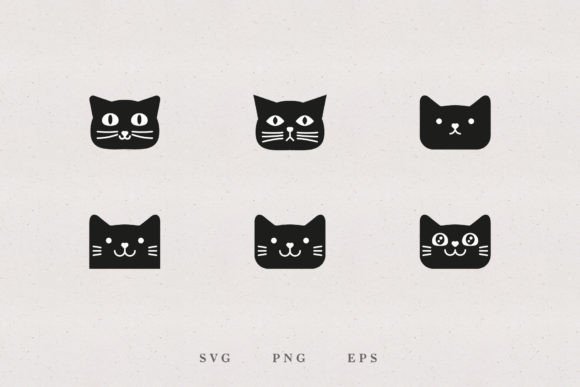
From the moment I opened the Cute Cat Faces files, the mood was clear—whimsical, friendly, and approachable. The cat faces are stylized with soft curves, expressive eyes, and a playful aesthetic that feels perfect for children’s items, home decor, or personalized gifts. The layout is clean, with each face centered and balanced, making them easy to adapt to different embroidery formats.
The detail level is moderate, with enough definition to be recognizable but not so intricate that it becomes difficult to stitch. This makes it ideal for both beginners and experienced embroiderers looking for something quick yet charming.
Real-Life Embroidery Use Cases
Imagine you're working on a custom embroidered tote bag for a client who wants a fun, eye-catching design. Cute Cat Faces could be the perfect fit. The design translates well to larger surfaces like tote bags or sweatshirts, where the cat faces can be spaced out to avoid overcrowding.
For baby items, such as onesies or blankets, the cute and non-threatening style of these cat faces is a big plus. They’re also great for aprons, pillow covers, or kitchen towels where a touch of whimsy adds personality without being overwhelming.
As a digital product seller, I appreciate how Cute Cat Faces can be used in printable mockups or as part of a downloadable design pack. The layered files make it easy to adjust colors or backgrounds, which is helpful for Etsy sellers or craft businesses looking to offer customizable options.
Where to Be Careful: Practical Considerations
While Cute Cat Faces is generally user-friendly, there are some situations where it might not perform as well. For instance, if you're working on a small hoop size, the design may need to be resized or split into sections to ensure proper stitching. Thin or stretchy fabrics can also be a challenge, as the design might lose clarity or pucker due to tension issues.
On dark fabrics, the transparent background of the PNG files could be an issue unless you adjust the thread colors accordingly. Similarly, textured fabrics may cause the stitches to look less crisp, especially if the design has fine details or satin stitches.
For curved surfaces like caps or hats, the design might require some repositioning to ensure even coverage. Tiny lettering or dense stitch areas could also be problematic, so it's important to test the design before committing to a large batch of finished products.
Impact on Visual Appeal and Customer Perception
Cute Cat Faces adds a sense of charm and personality to any project. When stitched properly, it can elevate a simple item into a standout piece that customers will love. The design’s simplicity helps maintain clarity, even on smaller garments or patches, making it a reliable choice for handmade products.
From a business perspective, using this design can help build trust with customers. A well-executed embroidery project with a recognizable and appealing design increases the perceived value of the finished product. It also supports brand consistency, especially if the design aligns with your overall aesthetic or theme.
For gift-giving, Cute Cat Faces is a safe bet. Its universally appealing nature makes it suitable for holidays, birthdays, or just as a thoughtful token. Whether it's a personalized cap for a child or a decorative pillow for a nursery, the design feels intentional and meaningful.
Embroidery Designer Notes: Best Practices
Before jumping into a full project, I always recommend testing the design on scrap fabric. This allows you to see how the stitches look in real life and make adjustments if needed. Checking thread color contrast is essential, especially if you're using the design on dark or light backgrounds.
Reviewing the stitch density is another key step. If the design is too dense, it might cause puckering or wear over time. Confirming the correct hoop size ensures that the design fits comfortably without distortion. Inspecting small details like corners or edges can prevent issues during the stitching process.
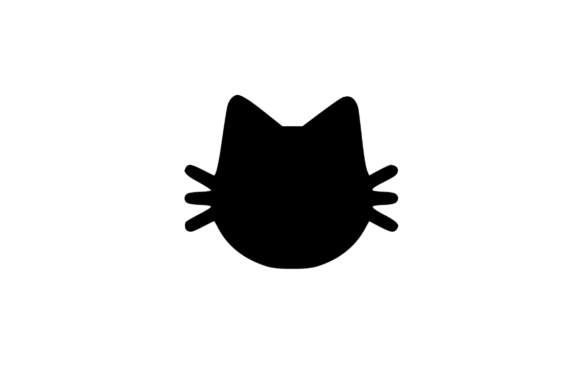
Testing the design in black and white mockups helps assess how it looks without color, which is useful for printables or digital previews. Comparing it against both light and dark fabric backgrounds ensures versatility. Using the right stabilizer can make a big difference, especially on stretchy or delicate materials.
Finally, make sure the design works for both personal and commercial projects. Check the licensing terms carefully before selling finished items or digital products. Even though the files are layered and high-resolution, it's always good to confirm what you're allowed to do with them.
Final Thoughts: A Versatile Addition to Your Design Toolkit
Cute Cat Faces is a solid choice for embroidery designers, crafters, and small business owners looking for a flexible and appealing design. Its clean lines, playful style, and variety of file formats make it suitable for a wide range of applications—from custom apparel to printable mockups.
While it’s not perfect for every situation, it’s a reliable option when used correctly. With a little care and testing, it can become a valuable asset in your embroidery projects, helping you create beautiful, engaging, and marketable products.