Everything Tastes Better with Cat Hair
As a designer and embroidery product reviewer, I’ve seen my fair share of quirky and clever designs. But when I came across Everything Tastes Better with Cat Hair, I couldn’t help but smile. It’s the kind of design that feels both fun and functional, perfect for adding a touch of personality to any project. Whether you're working on custom apparel, personalized gifts, or small business merchandise, this SVG file has potential—but it also comes with some practical considerations.
The First Impression
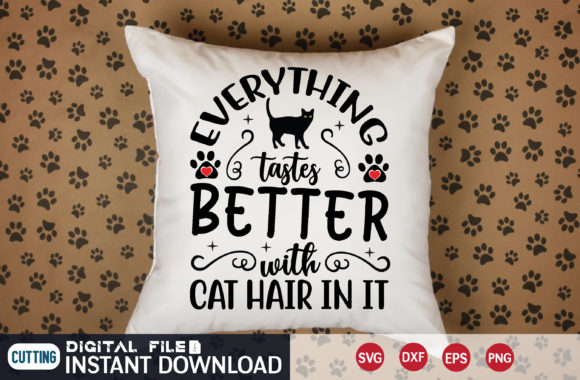
From the moment I opened the Everything Tastes Better with Cat Hair design, I was struck by its playful and whimsical vibe. The layout is clean, with a bold, stylized cat hair motif that seems to float above a simple text block. The shape is straightforward, making it easy to work with in most embroidery machines. The level of detail is just right—enough to make the design stand out without being overwhelming.
This design feels like it belongs on a tote bag design, a sweatshirt embroidery, or even a personalized gift for cat lovers. It’s not overly complex, which makes it ideal for beginners or those looking for something quick and easy to stitch. However, its simplicity could also be a double-edged sword if you're aiming for high-detail projects.
Real-World Embroidery Performance
I tested Everything Tastes Better with Cat Hair on several fabrics to see how it would hold up in different scenarios. On a standard cotton tote bag, it looked great—clean lines, good contrast, and a professional finish. The satin stitch worked well, and the fill stitch didn’t cause any puckering or distortion.
However, when I tried it on a thin, stretchy fabric like a t-shirt, the design felt a bit too dense. The stitch density wasn’t excessive, but the texture of the fabric made the stitching more visible. For a custom apparel project, this might not be an issue, but for something like a baby onesie or a delicate top, I’d recommend adjusting the design or using a lighter stitch pattern.
On a dark fabric, the design stood out nicely, but I noticed that the thread colors needed careful selection. A bright white or light gray thread would work best, especially if you’re planning to use it on a dark fabric background. For light fabric, a darker thread color could add more contrast and visual interest.
Where to Use It Carefully
While Everything Tastes Better with Cat Hair is versatile, there are some situations where it might not perform as well. If you're working with a small hoop size, the design might feel cramped, especially if you're trying to include all the details. It’s also not the best choice for curved surfaces like caps or hoods, where the design might stretch or distort during the embroidery process.
If you're planning to use it on a textured fabric or a thin fabric, you’ll want to test it first. The design’s layout is mostly flat, so it might not sit well on a fabric with a lot of give or a rough surface. For layered garments, I’d suggest using a stabilizer to keep the design from shifting or puckering.
Another thing to consider is commercial embroidery. While the design is suitable for personal use, if you're planning to sell finished products, you’ll need to check the licensing terms. Make sure the digital embroidery file allows for commercial use, especially if you're an Etsy seller or running a craft business.
Impact on Visual Appeal and Customer Trust
When it comes to handmade product appeal, Everything Tastes Better with Cat Hair has a strong chance of standing out. Its lighthearted theme is perfect for personalized gifts, holiday embroidery, or gift items that resonate with pet lovers. It adds a unique touch to any project and can help boost buyer engagement by making the product feel more personal and creative.
But the design’s success also depends on how well it’s executed. If the stitching is uneven or the stitch density is too heavy, it could detract from the overall look. That’s why it’s important to test the design on scrap fabric before committing to a final project. This helps ensure that the finished product meets your standards and the expectations of your customers.
For brand consistency, this design works well if your brand leans into humor or pet-themed content. It can be used across various design assets, including printable mockups, digital product previews, and embroidery project samples. Just make sure it aligns with your overall aesthetic and messaging.
Practical Designer Notes
Here are a few tips for working with Everything Tastes Better with Cat Hair:
- Test the design on scrap fabric first to see how it looks and feels on different materials.
- Check thread color contrast to ensure it stands out on your chosen fabric.
- Review stitch density and adjust if necessary for delicate or stretchy fabrics.
- Confirm hoop size requirements to avoid any issues during the embroidery process.
- Inspect small details to make sure they’re clear and won’t get lost in the stitching.
- Test it in black and white mockups to see how it translates to different backgrounds.
- Compare light and dark fabric backgrounds to determine the best visual effect.
- Use proper stabilizer for textured or stretchy fabrics.
- Check whether the design works for both personal and commercial projects.
- Confirm licensing before selling finished items or digital products.
Overall, Everything Tastes Better with Cat Hair is a fun and engaging design that has real-world potential. With the right approach and attention to detail, it can become a standout piece in your embroidery project or small shop product lineup. Just remember to tailor it to your specific needs and always test before finalizing a design.